A Facebook page can feel quiet for weeks and then suddenly demand a run of updates around a launch, event, or new resource. Planning a small batch in advance helps maintain a useful presence without turning every day into a scramble. The important distinction: scheduled posts can keep information moving, but they cannot replace replies.
Give each post a purpose
Before drafting, decide what the post is meant to do: answer a recurring question, share a resource, invite discussion, or point to a longer guide. For a creator-focused page, one week might include a practical tip, a behind-the-scenes process note, and a question that invites specific examples. A purpose makes it easier to avoid publishing filler just to meet a quota.
Prepare a reusable batch
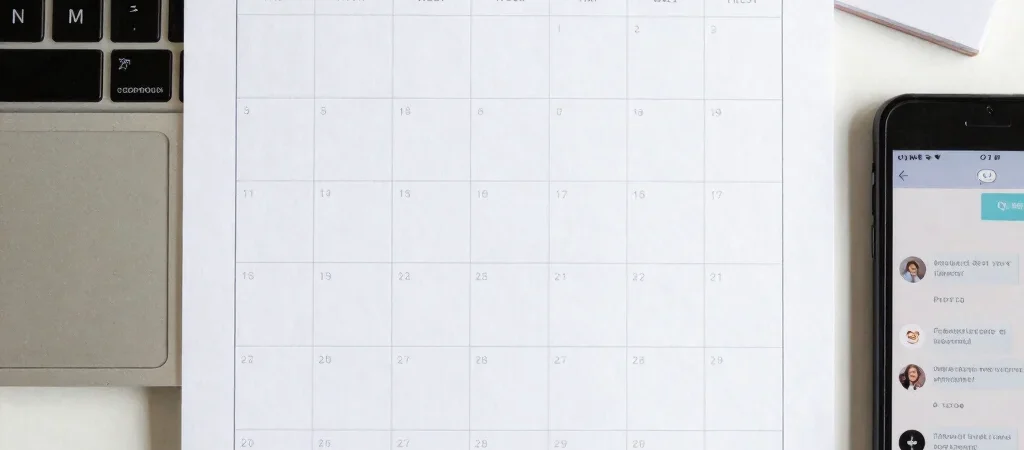
Collect a few ideas in a simple content calendar and draft them in one sitting. A prompt can help adapt a longer article into a concise post, but include the intended audience and ask for a clear, conversational draft rather than generic promotional language. Verify links, dates, and claims yourself before anything is scheduled.
Protect the human replies
Meta Business Suite offers tools for managing and scheduling content across Meta surfaces, though available options can change. Use the scheduler for posts that are ready in advance, then set aside time to read comments and respond as a person. If a post starts a useful conversation, let that feedback shape the next one instead of blindly following the calendar.